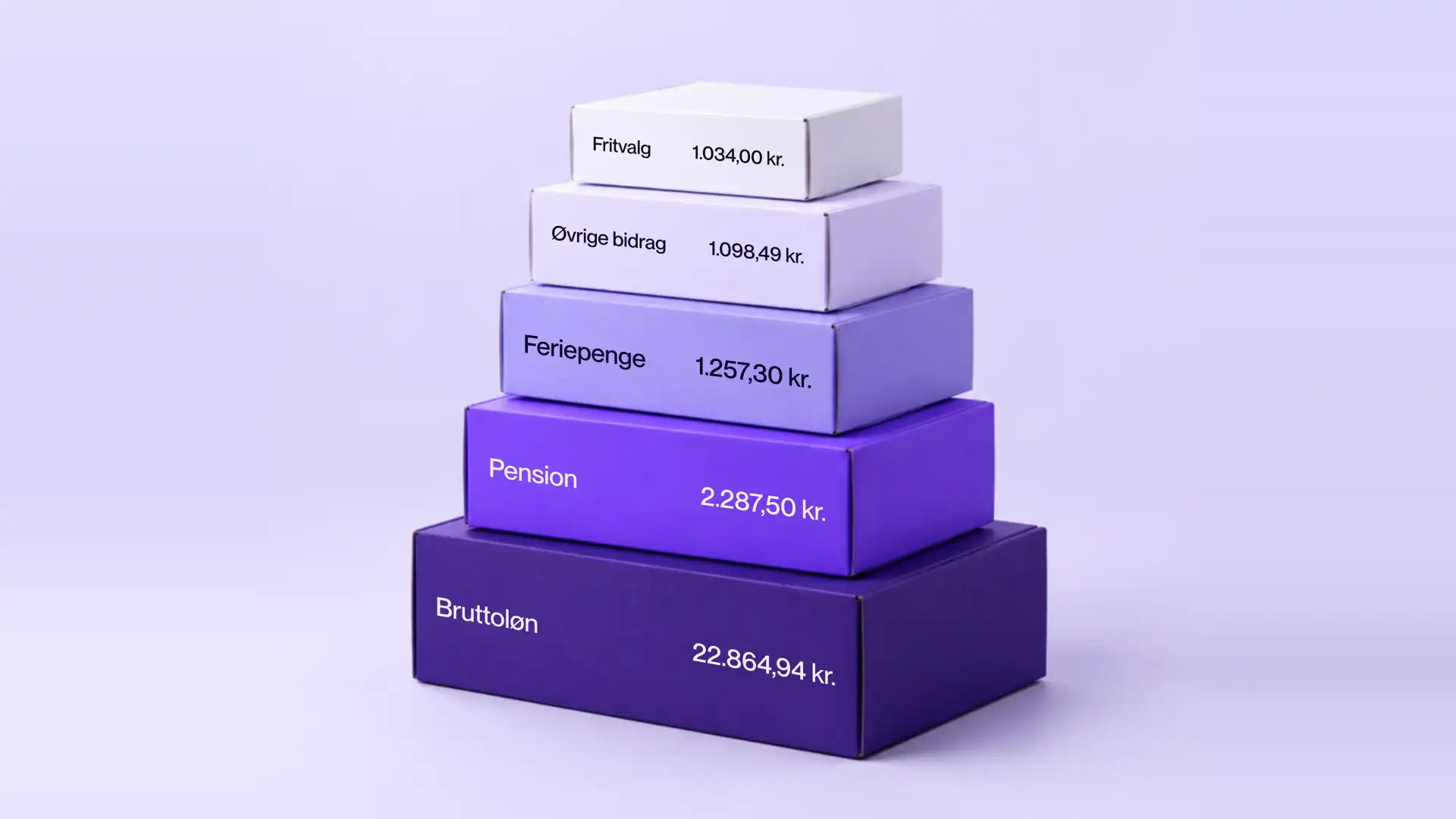
From 1 January 2026, young people in work will get even more out of their pay. A new law means that young people under 18 no longer have to pay the 8% labour market contribution (AM-bidrag) on their pay, as long as they earn less than the tax exemption card limit.
This means that, for the first time, a tax exemption card really is completely tax-free, and everything young people earn below the limit goes into their account in full. That means more money in their pocket, fewer confusing lines on the payslip and a good start to working life.
Why are the rules changing?
For many years, the tax exemption card has been an important tool for young people who take a spare-time job or a summer holiday job. It lets them earn a certain amount without paying tax. But although the tax exemption card exempts them from income tax, everyone has still had to pay the 8% labour market contribution – a contribution many young people have seen as a hidden tax.
With the change in the law, it becomes clear and transparent:
If you earn less than the tax exemption card limit, you keep the whole amount. No contribution, no tax – and so a real tax exemption card.
How much can young people earn tax-free?
The tax exemption card limit is adjusted every year. In 2025, the limit is DKK 51,600, and the amount rises every year. The tax exemption card limit for 2026 will be published by Skattestyrelsen later in the year. In Zenegy, we automatically fetch employees' tax card information, whether they use a primary tax card, a secondary tax card or a tax exemption card.
This means young people can have a spare-time job, a weekend job or a holiday job without tax or contributions being deducted – as long as their total income stays below the limit.
What if the tax exemption card is used up?
Once the tax exemption card limit has been used up, the young person has to pay tax like everyone else. Here, too, abolishing the labour market contribution makes a difference:
- Today: The total tax – including the labour market contribution – is about 42% in an average municipality.
- From 2026: The tax rate falls to about 38%, because the 8% labour market contribution is removed.
This makes it cheaper for young people to take extra hours, work more in the summer holidays or take an extra part-time job without losing as big a share of their pay.
Automatic tax exemption cards for the youngest
Today, all young people who turn 15–17 during the income year are automatically sent a tax exemption card by Skattestyrelsen. Younger teenagers – that is, 13–14-year-olds – have to apply for a tax exemption card themselves if they want to avoid being taxed at 55%.
From 1 January 2026, this changes:
All young people aged 13 and over are automatically issued a tax exemption card, making it easier to start a spare-time job without administrative obstacles.
Why is it important to have the tax card in order?
If an employer hasn't registered a tax card (tax exemption card, primary tax card or secondary tax card) for an employee, 55% A-tax plus 8% labour market contribution must be deducted. This means you only get about DKK 41 paid out for every DKK 100 you earn.
What does it mean for employers?
As an employer, it's important to know that:
- From 2026, the labour market contribution is no longer deducted for employees under 18, as long as they earn less than the tax exemption card limit.
- Zenegy's payroll system will automatically take the new rules into account, so you don't have to change your own processes.
- It is still the employee's responsibility to make sure the employer has a tax card registered, as otherwise 55% tax is deducted. If you find errors in employees' tax cards, the employees must contact Skattestyrelsen themselves.
Who should you contact with questions?
Do you have questions about Zenegy or how our system handles the change? Then get in touch – we're happy to help with setup and questions about pay runs. Do you have questions about the legislation itself, the rules or how they apply to you? Contact your accountant or tax adviser, who can give you the right guidance.